

GPR, often referred to as GPR, represents an innovative technology that has changed how we examine what lies beneath the top layer of our world. This non-destructive method employs radio waves to create images of the below surface, enabling us to reveal hidden structures, infrastructure, and geological features without the need for major excavation. As the need for effective and precise surveying techniques grows across different sectors, understanding the importance and capabilities of GPR surveys has become progressively essential.
In this write-up, we will explore the multiple dimensions of GPR surveys, from their operational principles to their diverse applications in infrastructure, archaeology, and environmental investigations. We will look into the advantages they offer compared to traditional survey methods, how they save hours and money, and the technology that supports their effectiveness. Whether you are a beginner looking to grasp the fundamentals of GPR or a experienced professional looking to enhance your expertise, this guide aims to provide thorough insights into navigating the underground world through GPR survey techniques.
Grasping Ground Penetrating Radar Surveys
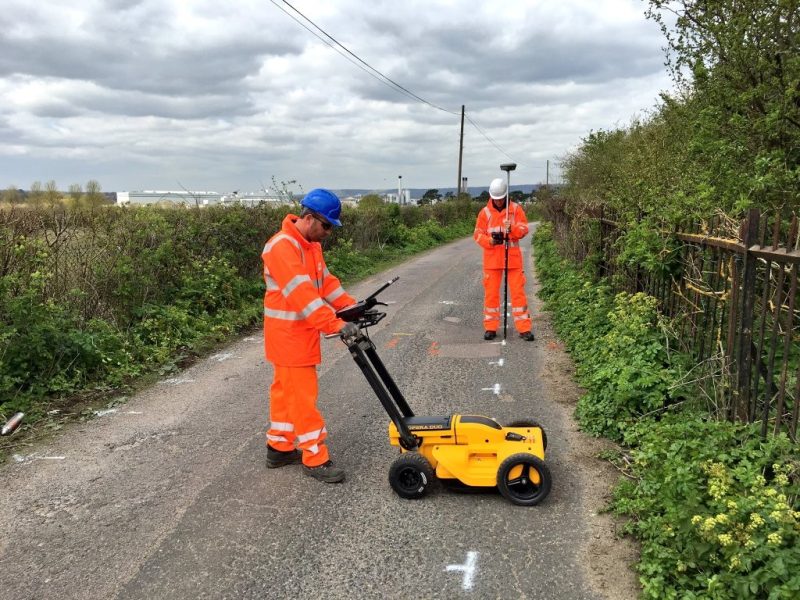
Ground Penetrating Radar, also known as Ground Penetrating Radar, represents a non-invasive geophysical method that utilizes radar pulses to visualize the subsurface. It works by sending high-frequency signals into the earth and recording the returned echoes that return from subsurface structures. The data gathered is then processed to produce detailed pictures of what lies beneath the surface, including utilities, geological formations, and other objects. This methodology is commonly employed for its ability to provide real-time findings without the need for major excavation or disruption.
Ground Penetrating Radar investigations are vital in multiple industries for their effectiveness in locating subsurface utilities, assessing geotechnical conditions, and conducting environmental evaluations. They aid the decision-making process in construction initiatives by permitting engineers and builders to visualize below-ground conditions before breaking ground. This information assists prevent expensive mishaps, such as harming existing infrastructures or coming across unexpected ground anomalies, thus streamlining project timelines and budgets.
The flexibility of GPR makes it relevant in numerous disciplines, including civil works, archaeology, and environmental science. In this field, GPR aids in finding structural elements, such as rebar or tensioned cables within concrete, while in historical studies, it uncovers buried artifacts free from disturbing the location. GPR Survey Worcestershire in this technology further enhance its capabilities, making it a vital tool for contemporary evaluations and surveys, as industries increasingly acknowledge its ability to improve safety and operational efficiency.
Benefits and Uses
Ground Penetrating Radar studies deliver numerous benefits in various fields, primarily because of their non-invasive nature and ability to provide real-time data. A primary advantage is their ability to detect and locate underground utilities, including pipes and wires, minimizing the risk of damaging existing infrastructure during digging or building processes. This proactive approach not just guarantees safety but also helps prevent expensive delays and repairs related to accidental utility strikes.
In the construction and infrastructure sectors, Ground Penetrating Radar studies are crucial in evaluating ground conditions before major projects begin. By identifying geological features, buried objects, and potential hazards, stakeholders can make well-informed decisions regarding site suitability and construction changes. This capability enhances overall efficiency and streamlines project workflows, facilitating timely and budget-conscious execution.
Additionally, GPR uses include archaeological and environmental investigations, providing insights into buried artifacts and environmental conditions without interfering with the site. In archaeological studies, Ground Penetrating Radar can reveal structures and features hidden beneath the soil, offering crucial information for research and preservation. For environmental studies, GPR helps assess soil contamination and groundwater conditions, making it an essential tool for sustainable progress and land management practices.
Ground Penetrating Radar Surveys within Action
Ground Penetrating Radar surveys have become an indispensable tool throughout multiple industries due to their non-intrusive nature and ability to provide instantaneous data regarding underground conditions. In navigate to this web-site and design projects, Ground Penetrating Radar is used to locate services such as pipes and wires, helping to avoid expensive accidents and project delays. By identifying possible conflicts under the surface before excavation begins, GPR investigations save time and reduce the risk of damaging existing infrastructure.
In the realm of ecological and geotechnical investigations, Ground Penetrating Radar surveys assist in assessing soil conditions, mapping subsurface features, and identifying contamination. This method is particularly important in investigating dangerous waste sites or areas susceptible to landslides. With the capacity to penetrate different types of soil and provide comprehensive images of subsurface structures, GPR plays a crucial role in ensuring safety and compliance with environmental regulations.
Additionally, GPR surveys have found a specialized role in archaeological studies, enabling archaeologists to explore sites without physically disturb them. By revealing the location of relics, foundations, or burial sites buried beneath the ground, GPR enhances our knowledge of past civilizations while preserving their remains. This method provides an effective means for uncovering historical treasures and cultural heritage, highlighting the versatility and importance of GPR technology in various practices.