

Ground Penetrating Radar, also known as GPR, is emerging a revolutionary advancement in various sectors, from building to environmental preservation. By utilizing radar pulses that image the subsurface, GPR surveys provide invaluable insights about the subsurface. This capability improves construction and engineering projects but also plays a vital role for environmental assessments, archaeological explorations, as well as infrastructure inspections. As sectors increasingly acknowledge the need for understanding what exists below ground, GPR technology is paving the way for safer as well as enhanced methods.
Grasping the significance of GPR surveys is vital for professionals engaged in construction, land use planning, or environmental conservation. This technology provides unparalleled benefits, such as reducing the risk of harm to subterranean infrastructure, improving project timelines, and ultimately saving costs. As we delve deeper into the fascinating world of GPR surveys, we will examine the fundamentals of this technology, its diverse applications, as well as why it is a critical resource in today's industries and in managing infrastructure. Regardless of whether you are new or even a veteran in the field, this resource is designed to provide you with essential insights to harness GPR technology effectively for your next project.
Comprehending Ground Penetrating Radar Technology
GPR (GPR) is a non-invasive geophysical technique that utilizes radar waves to image the subsurface. By sending out high-frequency electromagnetic signals into the ground, GPR captures the bouncing signals that bounce back from various underground materials. This technology enables the visualization of structures, utilities, and geological features without the necessity for drilling or excavation, making it an important tool across multiple industries.
One of the key components of GPR methods is its radio antenna, which sends and receives the electromagnetic waves. The depth of infiltration and resolution of the images depend on the rate of the radar signals used. Lower frequencies can penetrate deeper but provide less clarity, while elevated frequencies provide more detail but restricted depth. Understanding https://ourpet.com.br/post/73329_https-hack-allmende-io-op7pkzbms6e8dptlwkvhmw-lt-br-gt-gpr-also-known-as-ground.html between rate and infiltration is essential for efficiently utilizing GPR in various applications.
GPR technology has developed considerably over the decades, integrating advanced software and data processing methods that improve the analysis of radar signals. Modern GPR technologies are fitted with sophisticated software that allows for real-time data representation and analysis, which enhances choices during examinations. As the technology goes on to advance, GPR is turning more versatile and effective in identifying subsurface features, leading to its growing use in building, ecological studies, archaeology, and more.
Benefits and Applications of GPR Surveys
GPR inspections offer many benefits throughout various industries, which makes them an indispensable instrument for modern construction. A primary of the primary advantages is their non-invasive nature, enabling for detection of subsurface structures without the necessity for excavation. This feature not only preserves the integrity of the site and also reduces the risk of damaging existing utilities. Additionally, GPR inspections can generate detailed data of underground features, aiding in the accurate design and implementation of construction projects, which thereby improves security and effectiveness.
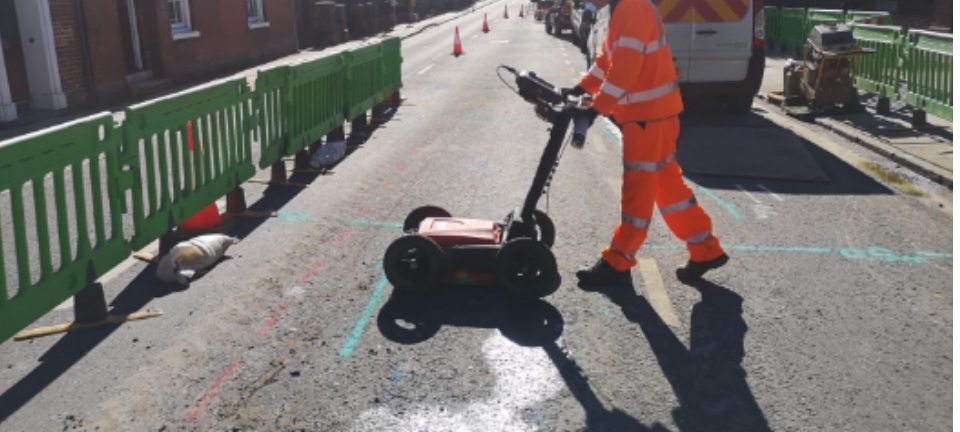
Within the realm of construction and infrastructure, GPR surveys have major uses in detecting underground utilities, identifying voids, and evaluating ground conditions before starting work. They play a key role in ensuring adherence with standards and protocols by providing reliable data that supports educated decision-making. The ability to see subsurface elements assists prevent expensive surprises during construction, thus simplifying project schedules and budgets. Additionally, these surveys help in evaluating the health of existing infrastructure, allowing for timely maintenance and intervention.
Apart from construction, GPR technology is extensively applied in archaeology, environmental studies, and geotechnical analysis. In archaeology, GPR helps in discovering artifacts and features while avoiding disrupting the site, allowing for a more detailed understanding of historical backgrounds. In environmental assessments, it helps detecting contaminants and analyzing groundwater flow patterns. The flexibility of GPR inspections supports a range of industries, rendering it an indispensable tool for professionals seeking to mitigate risks and enhance resources efficiently.
Choosing and Managing GPR Surveys
When picking a GPR survey company, it is crucial to assess their expertise, skills, and the equipment they use. Search for providers who have a verifiable history in your particular industry, whether construction, historic preservation, or green assessments. Ask for GPR Survey Worcester and case studies that showcase their successful use of GPR technology in comparable projects. In addition, verify that they update their equipment current with the most recent advancements to provide high-quality data collection and outcomes.
Efficient oversight of GPR surveys requires clear communication between you and the survey team. Creating a clear scope of work at the beginning assists to align expectations and define survey timelines. Regular meetings during the survey operation can prevent potential problems and allow for modifications as necessary. Grasping the specific goals of the survey will help you work collaboratively with the provider to prioritize areas of interest and optimize the use of GPR technology.
When the survey is done, conducting the data interpretation phase is essential. Examine the findings with your GPR provider, who should help in clarifying the results and their implications for your project. It's important to integrate the insights obtained from the survey into your decision-making processes. This way, you can lessen hazards associated with below ground utilities, construction integrity, or additional important factors, thus enhancing the effectiveness and outcome of your project.